While many procurement teams may approach the cost of natural colors from the narrow lens of cost-per-pound, it’s actually significantly more relevant to consider the cost-in-use of a natural color product.
Cost-per-pound might be the price listed on a balance sheet, but it doesn’t include performance, concentration, shade quality, stability, format, and other key factors particularly impactful in natural color projects.
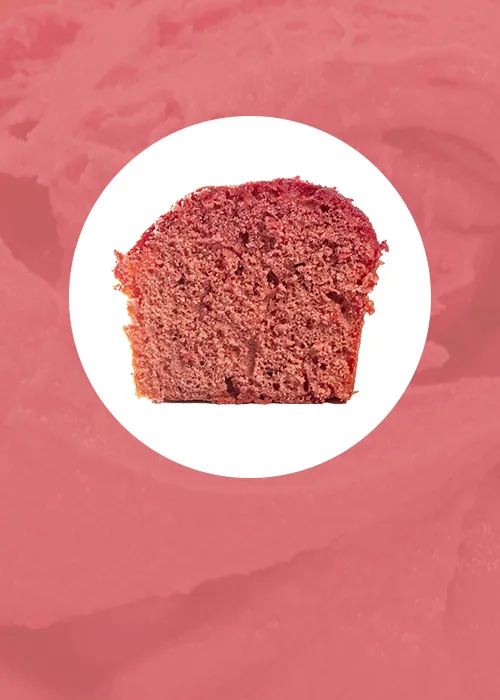
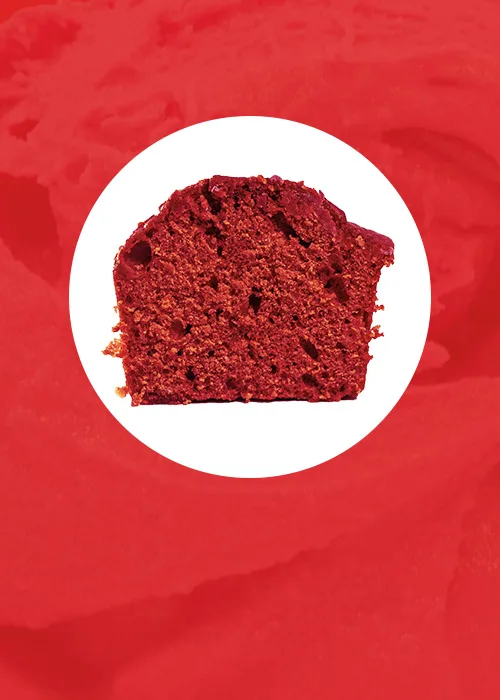
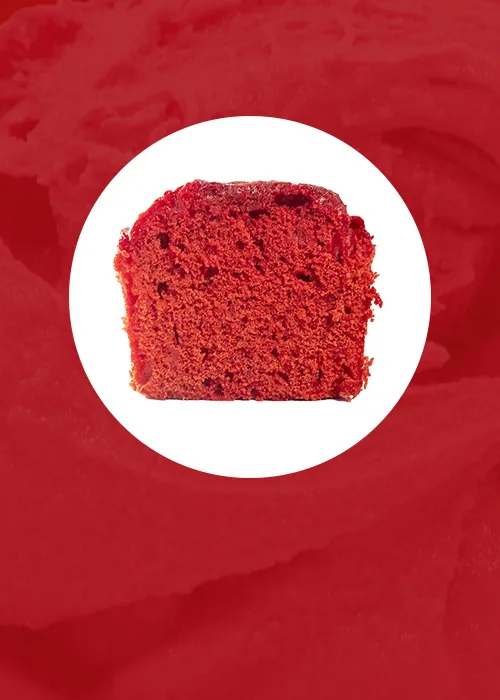
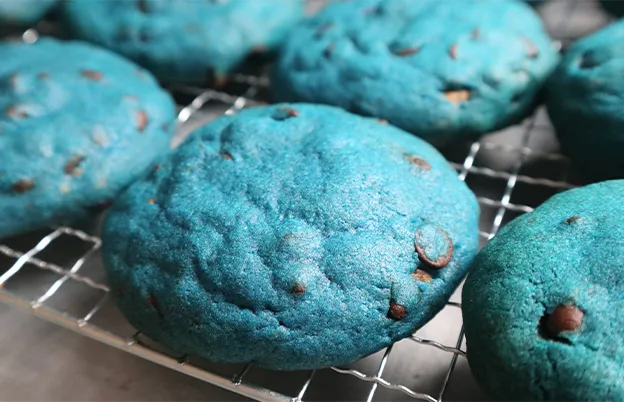
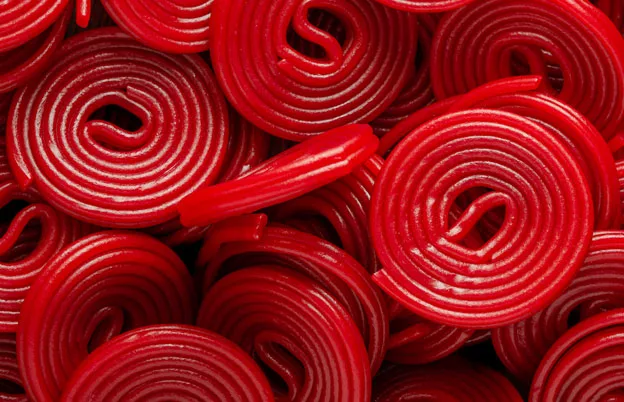
For example, blues, which are relatively scarce in nature, are typically more costly than more readily available reds in end applications. Products which go through a heat treatment may need stronger or more heat-stable color solutions to withstand the manufacturing process.
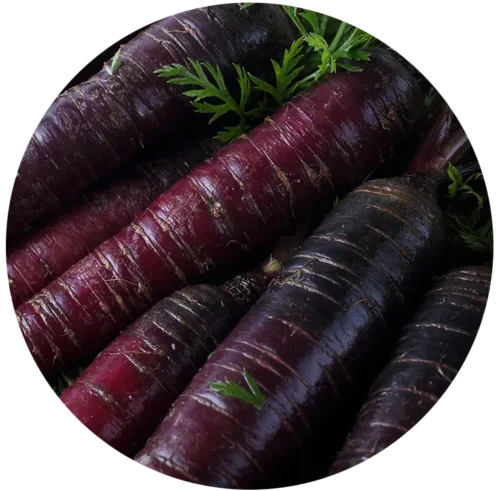
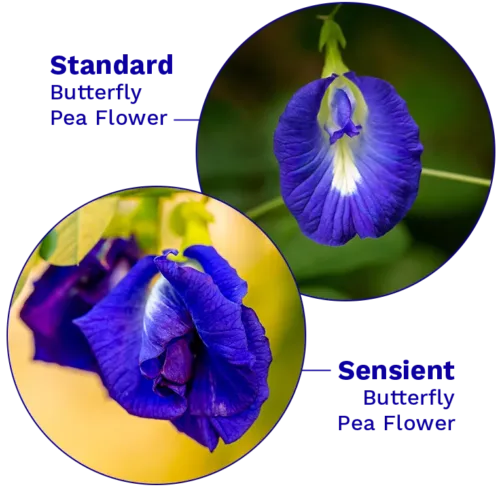
Sensient is actively working to reduce cost-in-use of natural colors by improving botanical sources for maximum color yield and performance.
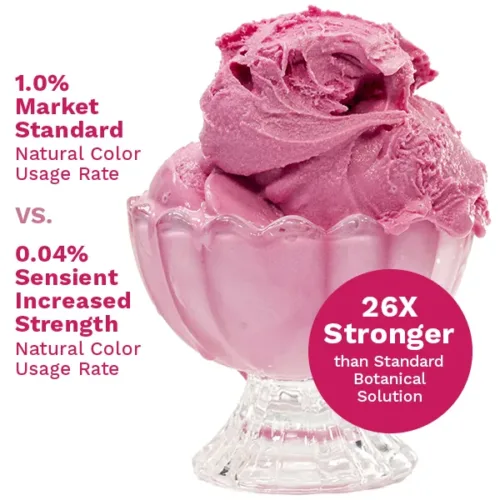
Sensient’s technical and commercial teams work closely with our customers to identify priorities and project-specific needs when formulating and recommending the right color solution for a situation. Performance, target shade, usage rates, and other factors all play a role in the success of a color solution, and we want to help you find the color that’s right for you. Reach out today with any color questions!