Anthocyanins
Anthocyanins are sourced from fruit and vegetable juices, ideal for bright red and pink hues in low pH applications.

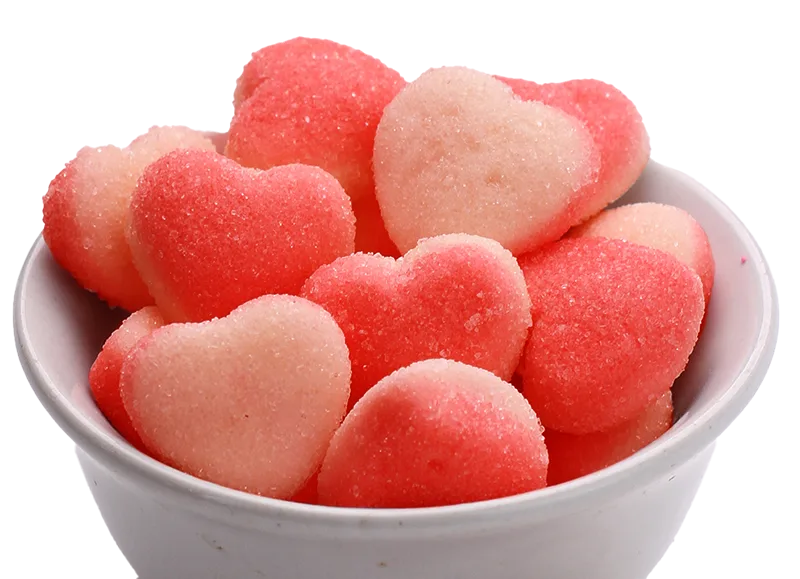
Fortunately for developers, natural red colors are many and varied. To find the right solution for your project, you should consider several factors:
Each year, the FDA certifies more than 5 million pounds of FD&C Red 40. To convert that volume to natural alternatives, our team projects more than 100 million pounds of natural red color would be needed. This dramatically increased volume is likely to temporarily strain natural color supply chains while the market adjusts.
Natural colors extracted from botanicals are inherently less concentrated than synthetic dyes, which are developed in specialized chemical processes.
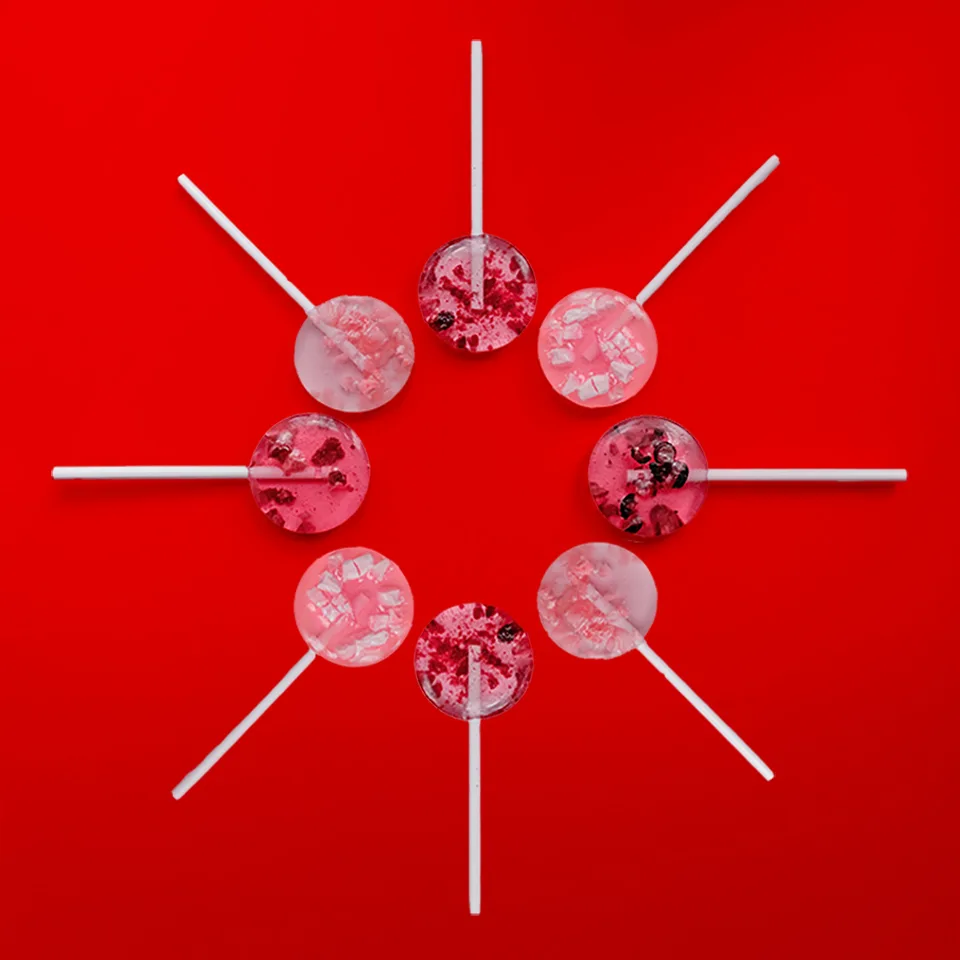
Rather than limiting our customers to only one or two natural red sources, Sensient offers a wide and deep range of solutions.
Anthocyanins are sourced from fruit and vegetable juices, ideal for bright red and pink hues in low pH applications.
Lycopene is sourced from tomatoes and offers red to coral colors in a wide range of applications.
Beet is one of the most “universally compliant” natural colors around the world, and Sensient’s vertical integration and technological advances are continuously improving strength and cost-in-use.
Carmine, or cochineal, is an extremely stable bright pink solution and is an excellent shade match for Red 3.
Beta Carotene can provide stable coral to orange-red hues in mid to high pH applications.

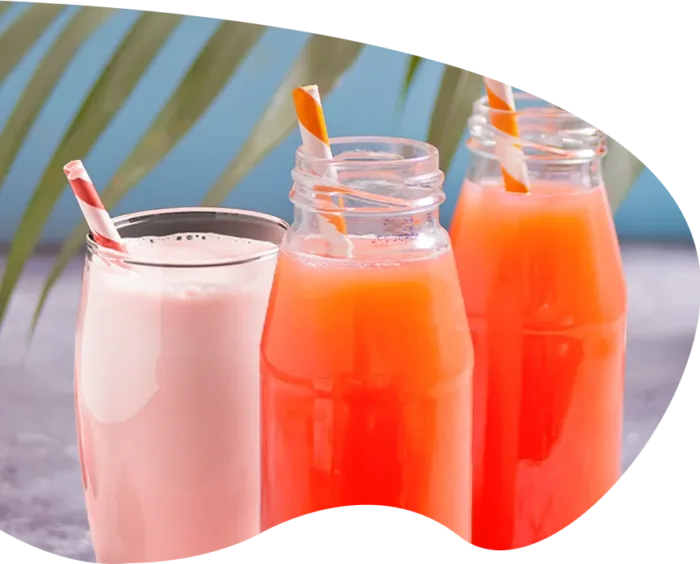
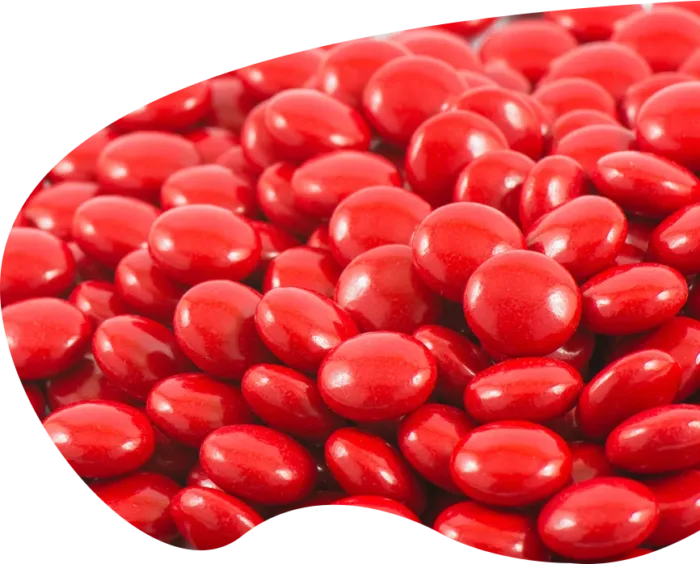

Get started with a color sample or consultation today!
Request high performance natural red and pink colors