Zack Henderson
Baking Zack Henderson

Converting Fresh and Packaged Bakery to Natural Colors

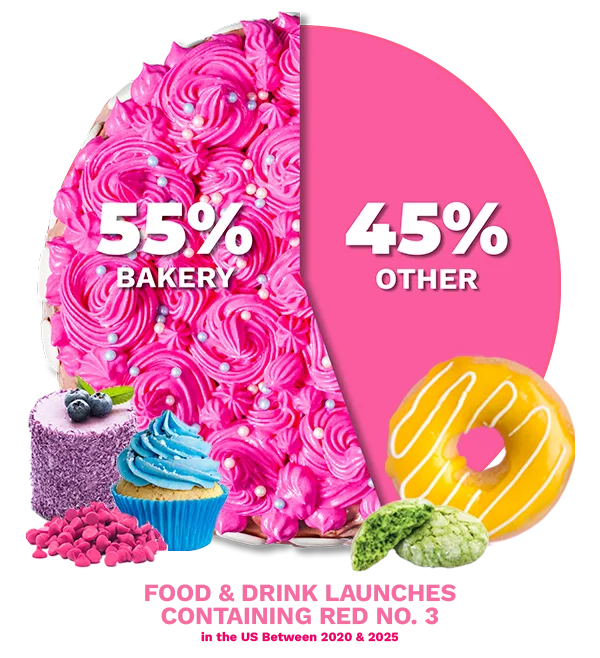
pink frosting pie chart with desserts infront

Factors to Consider for Natural Color Conversion in Bakery

A full rainbow is possible, and nature offers a wide range of botanical options to meet bakers’ needs. To identify the best solution for your fresh or packaged bakery project, we recommend you keep the following factors in mind:

fire icon for heat
acidity icon with liquid drop
solubility icon, droplet
labeling icon, certified badge
cold storage icon
shade icon for color
usage rate icon, reading usage
chain link icon
light bulb light exposure icon

Some of the most versatile technologies in Sensient’s portfolio are advantageous to bakery manufacturers and developers, closing gaps in the natural rainbow and improving natural color stability and performance in baked goods and ingredients.

SupraRed™

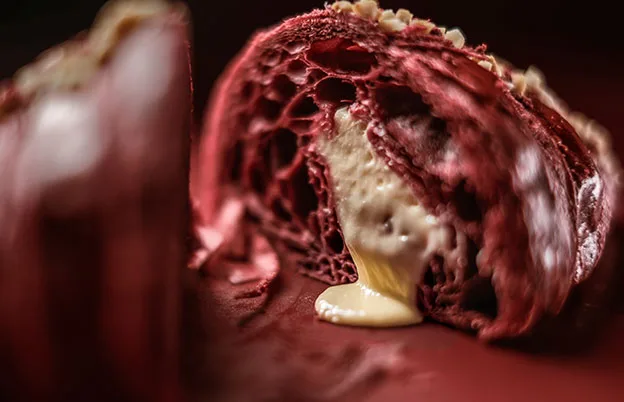
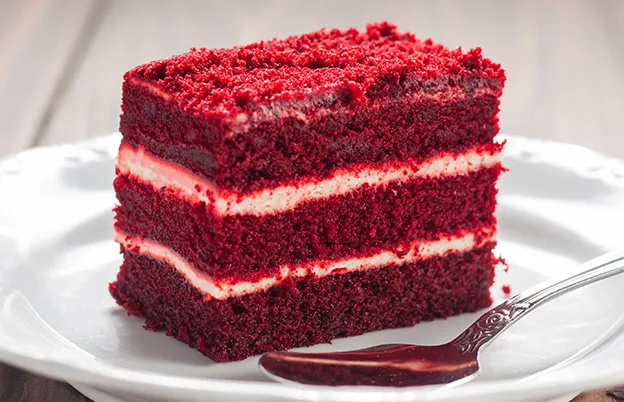
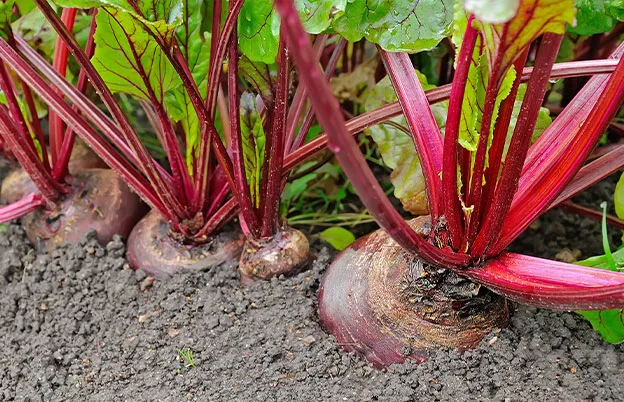
Originally developed for red velvet in baked applications, SupraRed™ offers a highly concentrated beet-based solution with unparalleled heat stability.

• Baked Goods
• Extruded Products

Learn more about SupraRed™

UberBeet™

The UberBeet™ portfolio includes SupraRed™ as well as Magna Ruby™ and Grand Ruby™, beet juice solutions with improved stability and color load compared to market standard beets.

• Baked Goods
• Fillings

Learn more about UberBeet™

Microfine™

Microfine™ leverages unbeaten particle size control technology to match the performance of synthetic lakes in powder and oil-based applications.

• Packaged Mixes
• Fat-based Coatings
• Morsels and Sprinkles

Learn more about Microfine™

Sienna™

Clean label browns with fruit juice labeling and compliance with California’s Prop 65, the Sienna™ line can match any brown shade and all four classes of caramel.

• Baked Goods
• Icings, Frostings, and Coatings
• Fillings

Learn more about Sienna

Butterfly Pea Flower Extract

Sensient’s most heat-stable natural blue solution; butterfly pea flower extract adds unique blues, greens, and purples to the bakery lineup.

• Baked Goods
• Fillings
• Extruded Products

Learn more about Butterfly Pea Flower Extract

Marine Blue™

Our line of enhanced spirulina solutions adds bright sky blues with improved stability for acid content, heat processing, and water activity depending on the challenges posed by a certain application.

• Icings and Frostings
• Baked Goods
• Fillings

Learn more about Marine Blue™

Avalanche™

While not a synthetic dye, many brands are taking the opportunity to proactively replace titanium dioxide with clean label whites in Sensient’s Avalanche™ portfolio.

• Baked Goods
• Icings, Frostings, and Coatings
• Fillings

Learn more about Avalanche™

Improved Reds & Pinks

Sensient’s latest development is a proprietary advanced stabilization technology to improve fruit and vegetable juice performance matching Red 3 and Red 40 in applications like baked goods, reducing flavor notes and improving usage rates and cost-in-use for key shades.

• Baked Goods
• Icings, Frostings, and Coatings
• Fillings

Request a Sample

If you’re ready to jump into natural color conversion for bakery items, reach out to get started!

We have resources readily available and our team is on standby to match your existing products and find color solutions that work for you.

Frequently Asked Questions

What synthetic colors are used in bakery?

All FD&C colors are regularly used in bakery, but the most prominent are Red 40, Yellow 5, and Blue 1.

Do I have to use natural colors in baked goods?

Federal legislation currently only requires removal of FD&C Red 3 by January 2027. State-level bills in the US are targeting all synthetic dyes.

Are natural colors stable in baked goods?

Heat-stable natural colors are available for products that go through a baking process. Not all botanical colors are naturally heat-stable, but Sensient’s R&D team has developed solutions for every part of the rainbow, including SupraRed™ for reds and butterfly pea flower extract for blues and greens.

What are the best food colorants for baked goods?

The best natural colors for bakery items are those that are heat-stable, to survive the baking process, and light-stable, to ensure a consistently bright visual even with transparent packaging.

How do I replace Red 3?

Carmine is one of the most stable natural colors, but its non-Kosher status makes it challenging for many brands to use. Sensient’s technical team developed a uniquely stable natural pink color from vegetable juice to match the bright, cool pink hue from Red 3 in baked goods.

What is the best food coloring for icings and glazes?

Icings and glazes contain both oil and water components, so solubility typically isn’t a concern. They are often used on products with transparent packaging, requiring light-stable solutions like beta carotene for yellow.

What are the options for oil-soluble food coloring?

Some botanically-sourced natural colors are naturally oil-soluble when extracted, like turmeric and annatto. For those colors that are naturally water-soluble, like most fruit and vegetable juices, Sensient developed the Microfine™ technology to make water-soluble natural colors work in oil-based applications like coatings, morsels, or sprinkles.

Subscribe for the latest colorful insights!

Sign Up