Brittany Jones
Consumer Insights Brittany Jones

Differentiating Pet Food with Color

How can we differentiate our product offerings from every other kibble, treat, and supplement in the market?

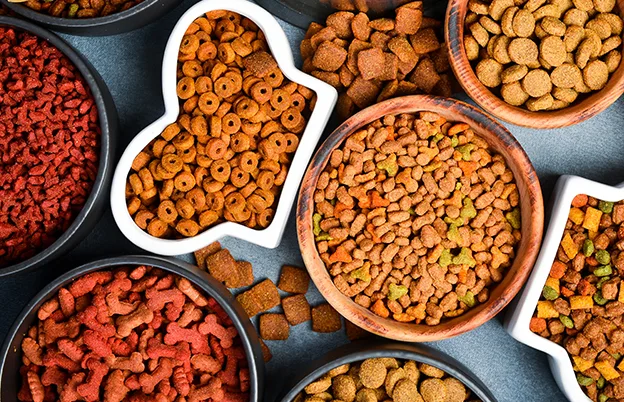
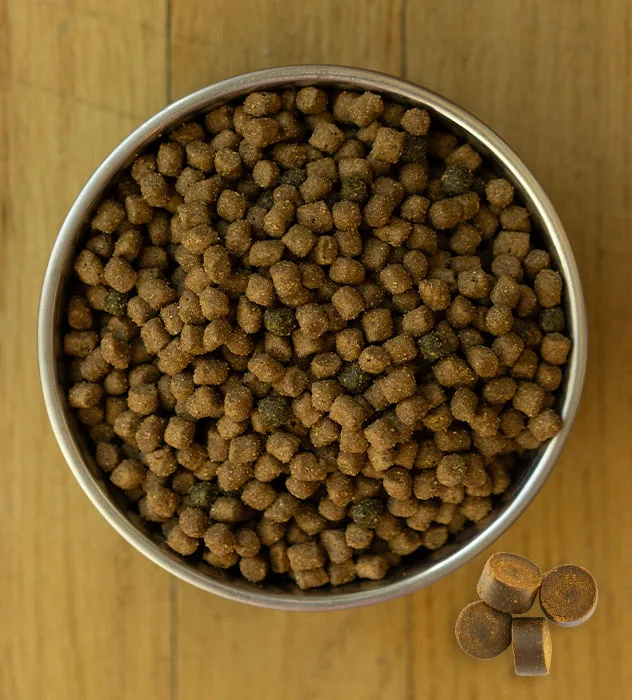
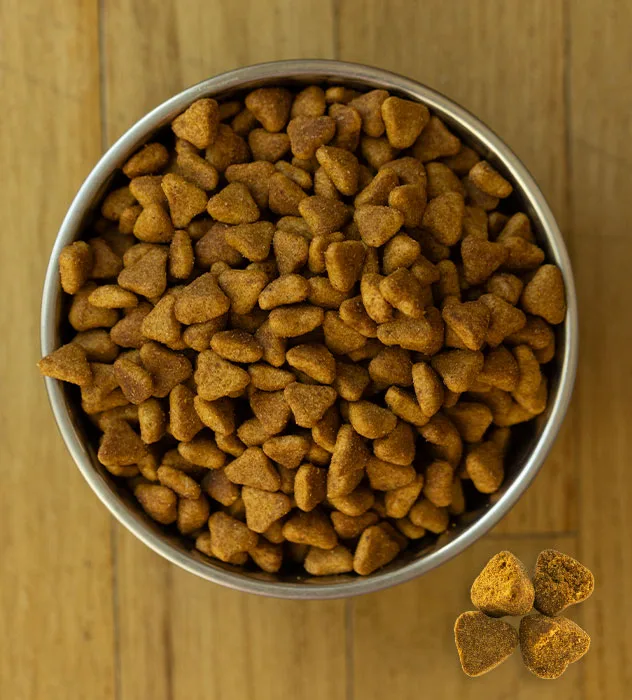
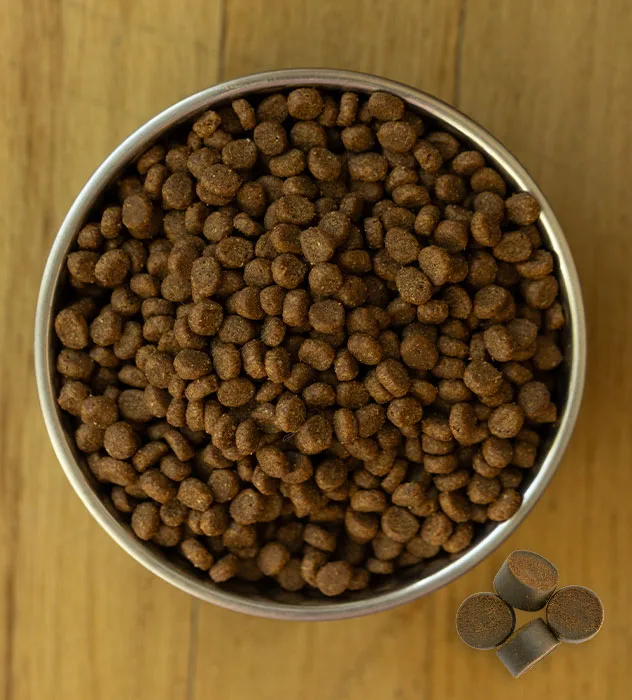
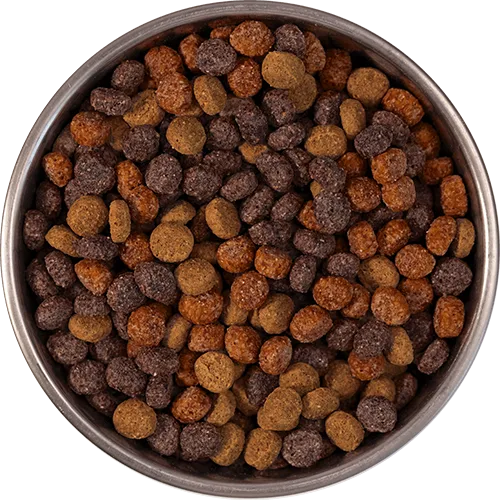
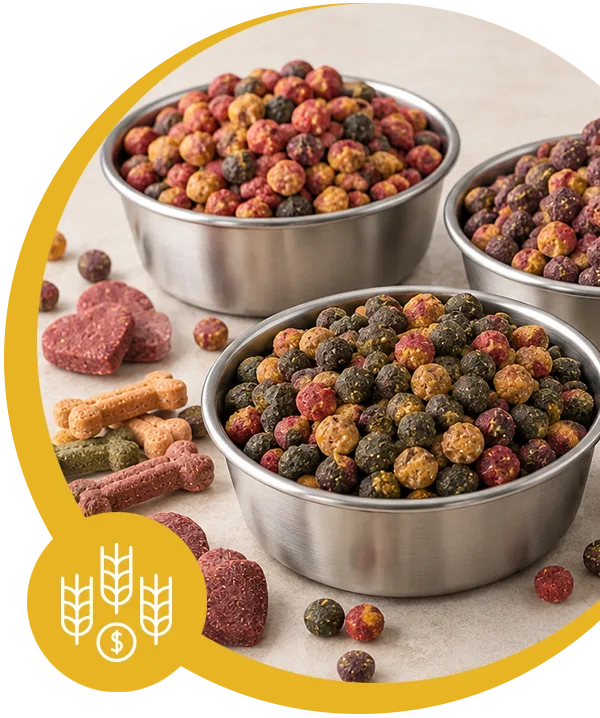
Most dry kibble and supplement brands look nearly identical. While some kibble manufacturers use distinct shapes, textures, or inclusions to create subtle variations, major visual differentiation remains rare.

To help drive differentiation, the Sensient Consumer Research Team analyzed how color builds visual identity and influences consumer perceptions of quality, functionality, and front of pack claim believability.

cat kibble and supplements

Our research team identified three distinct ways color positively shapes consumer perception of pet food:

fresh and nutritional pet food icon
quality icon
freshness pet food bowl
weight management pet food
gut and digestive health pet food
high protein performance pet food
pay more for natural icon

The Natural Color Wave—From Human to Pet Food

As market adoption for natural colors continues to be consumer-driven rather than regulatory in human food, we anticipate a natural spillover effect into the pet food sector.

Discover Sensient’s three natural color trends for pet food below:

Color Lifts Freshness Perception

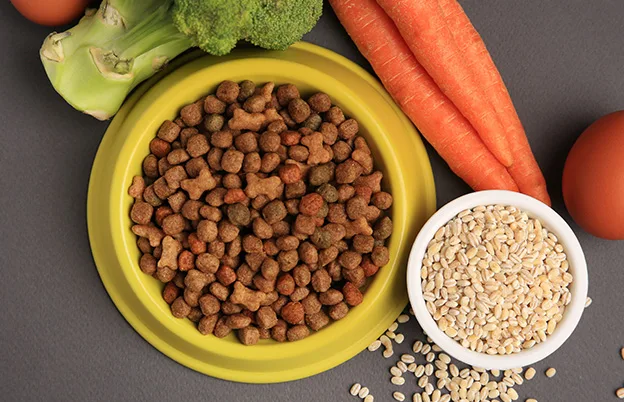
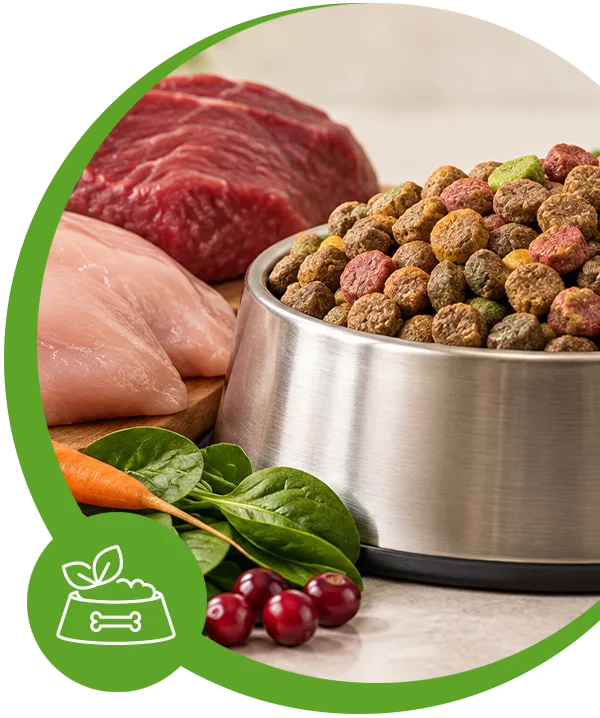
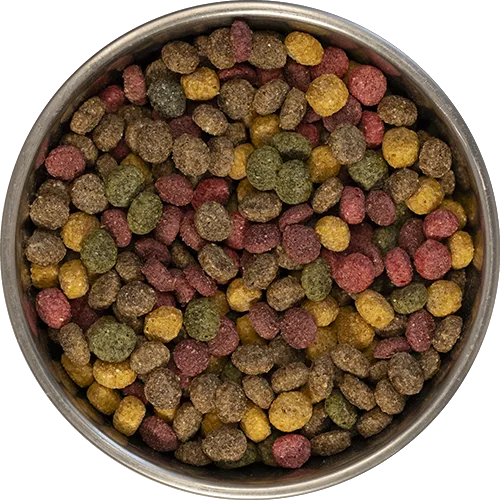
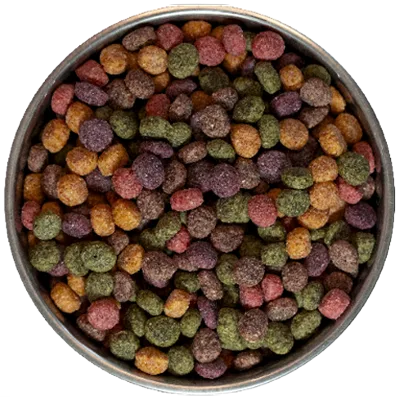
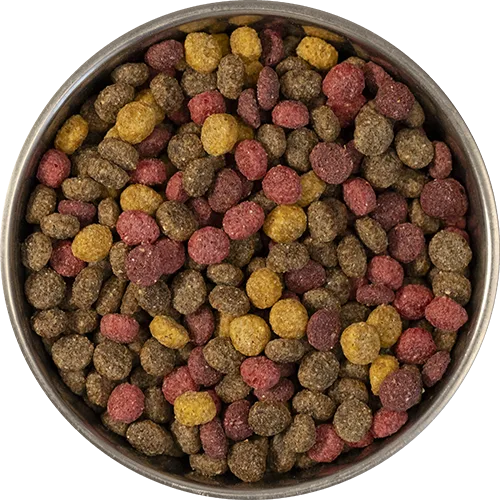
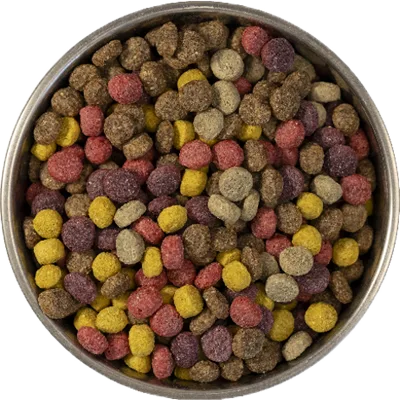
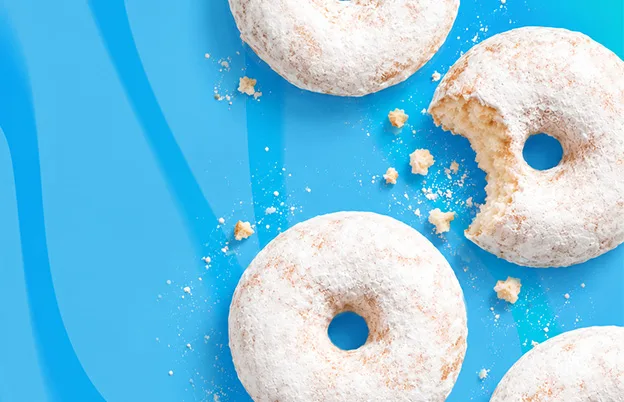
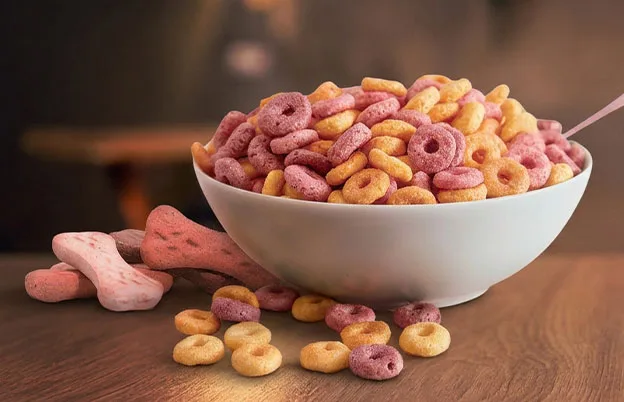
Most kibble bags feature pictures of fresh carrots, peas, and real meat on the packaging. However, when the bag is opened, the actual food inside is often a uniform brown color. Color bridges the perception gap between what is promised on the bag and what is actually in the bowl. Incorporating distinct colors like reds for meats or oranges for pumpkins and carrots lifts the owner’s perception of fresh and real, rather than highly processed. Natural color acts as visual proof of ingredient quality and freshness, instantly elevating how fresh and nutritious the food looks to the pet owner.
Color Reinforces Functional Claims

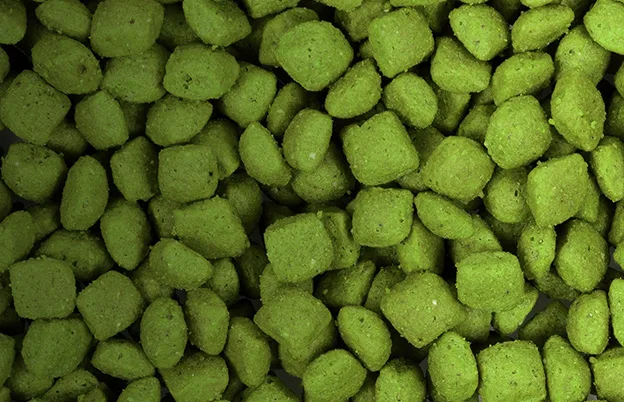
In human nutrition, we associate specific colors with health benefits (e.g., green for immunity/gut health, bright orange or red for energy and purple for antioxidants). This trend suggests pet food brands should use these same visual cues for functional formulas. Pet owners shouldn’t just read about the health benefits on the packaging; they want to see the health benefits in the bowl.

Color Brings Joy to Seasonal
& Celebratory Products

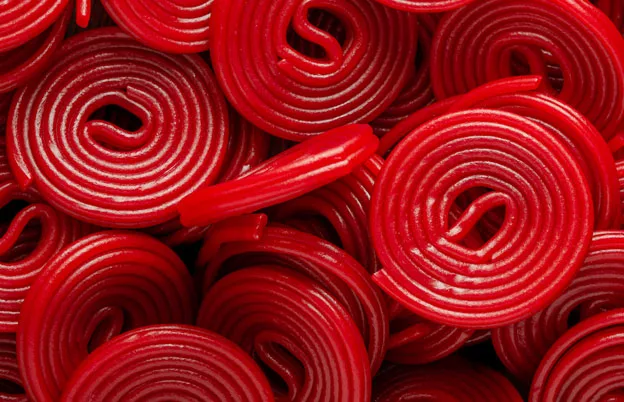
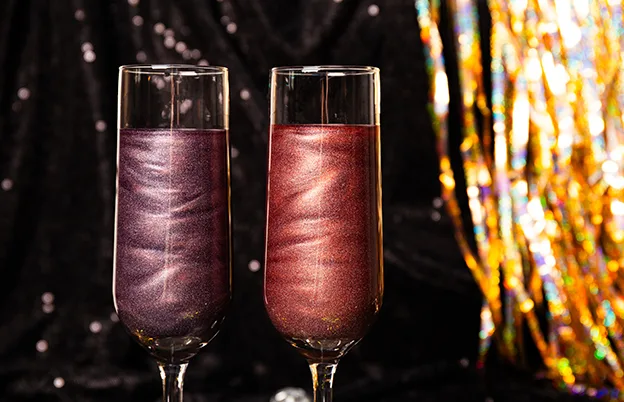
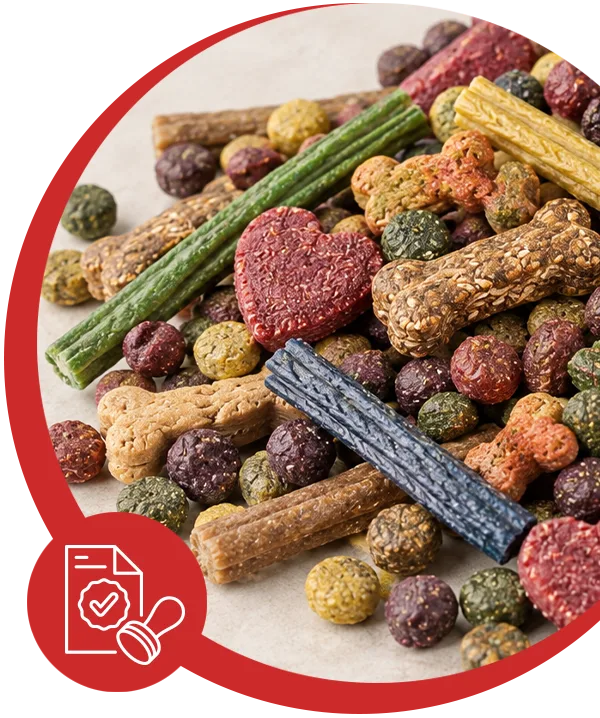
Holidays are deeply tied to specific color palettes—like red and green for Christmas, or orange and black for Halloween. This trend focuses on the emotional and experiential side of pet ownership. When pet parents buy holiday-themed treats, they want to feel like their pet is participating in the family festivities. A Christmas-themed cat treat doesn’t feel special if it is the same standard brown color as the everyday offering. Incorporating festive, natural colors makes the product feel like a true celebration. Color transforms everyday treating into a shared holiday ritual, driving impulse purchases and emotional connection.

Let’s turn insights into action.

Ready to elevate your brand’s pet products? Reach out to our team to explore our data or request a natural color sample to start formulating today.

Subscribe for the latest colorful insights!

Sign Up
Request a sample