From the European ban of titanium dioxide in 2022 to potential bans in multiple US states in 2023, titanium dioxide is under fire from almost all sides. Consumer advocacy groups and legal challenges continue to mount, despite a lack of scientific evidence to support any claims of health risks from the use of this ingredient in food and beverages.
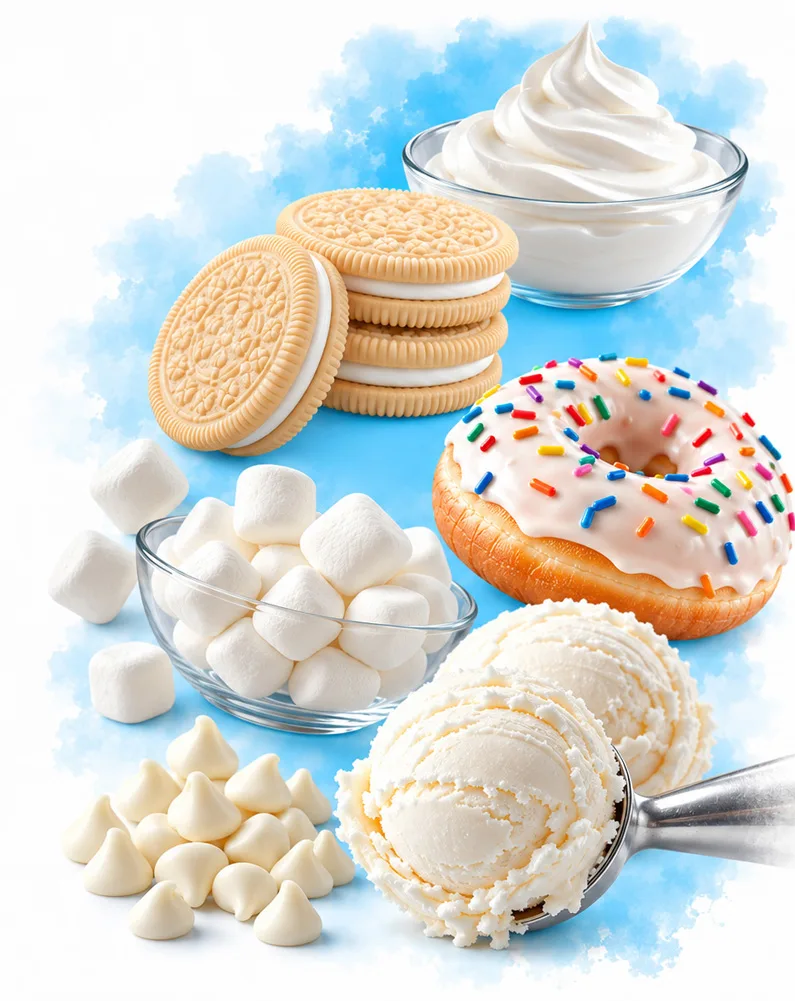
First, let’s address what “clean label” means for white colorants in food and beverages in the market. Generally, it refers to short, familiar ingredient lists, recognizable sources (plant, mineral, or fermentation-derived), and transparent processing. For white systems, clean label opacifiers should avoid nanomaterials, use minimally processed carriers, and deliver functionality with clear naming.

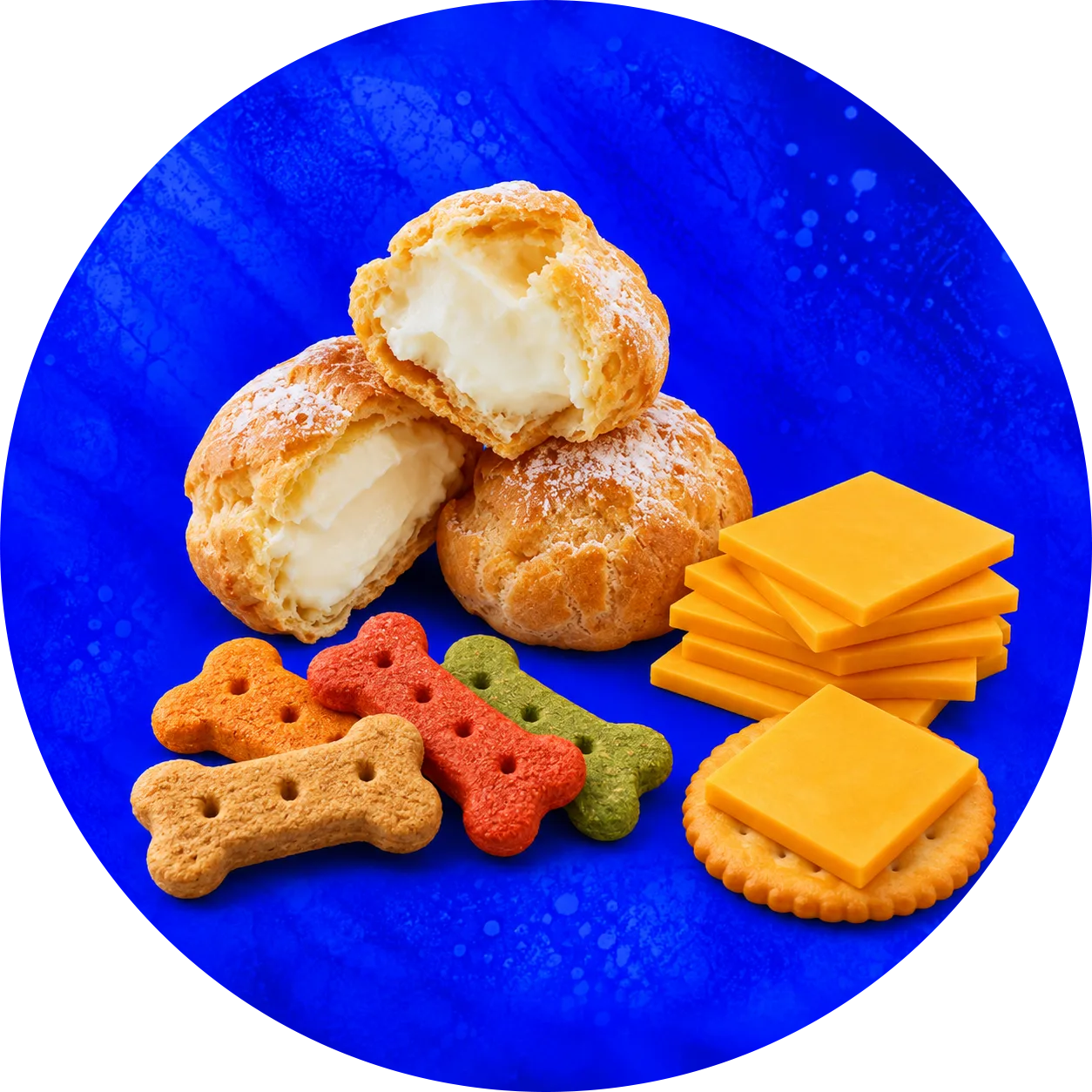

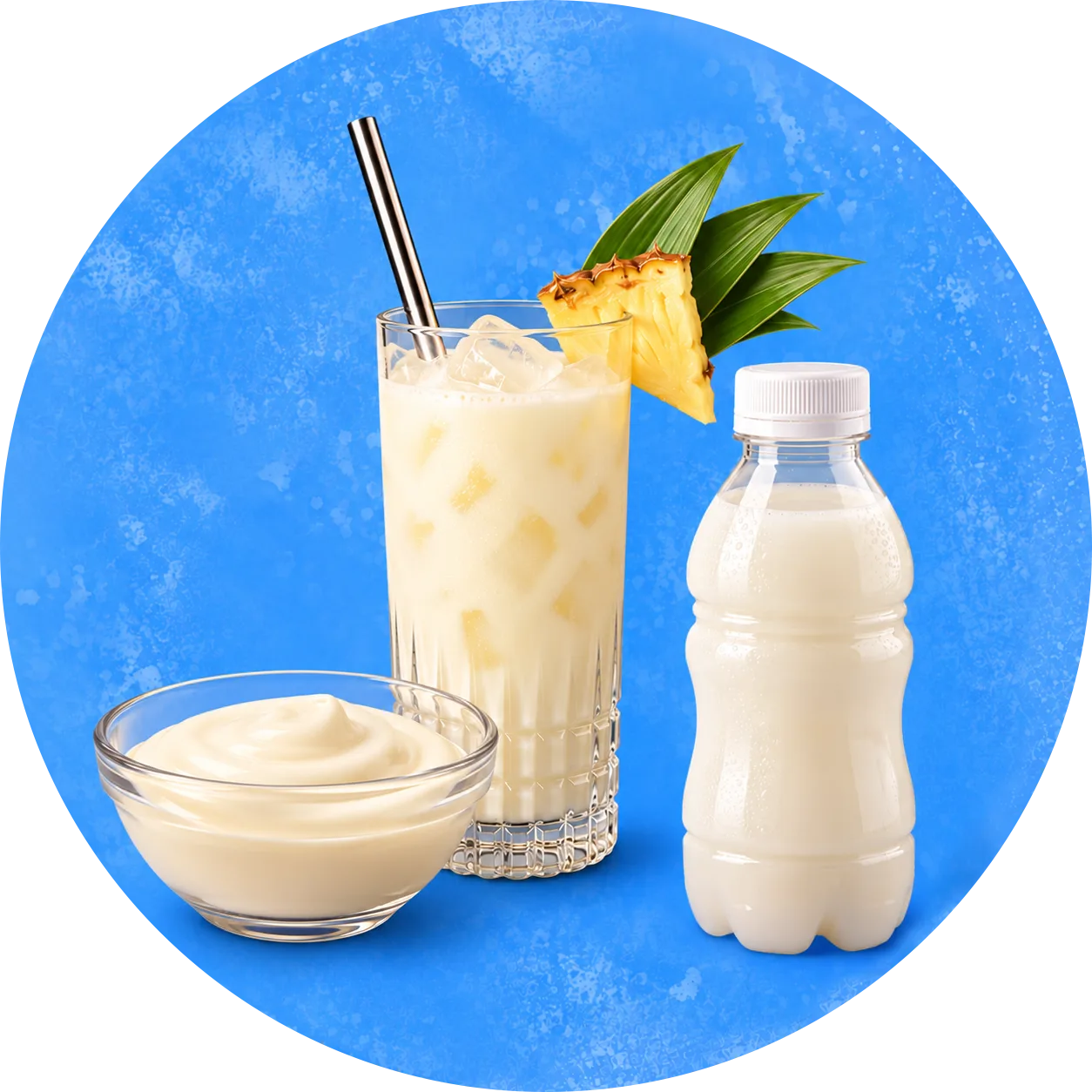
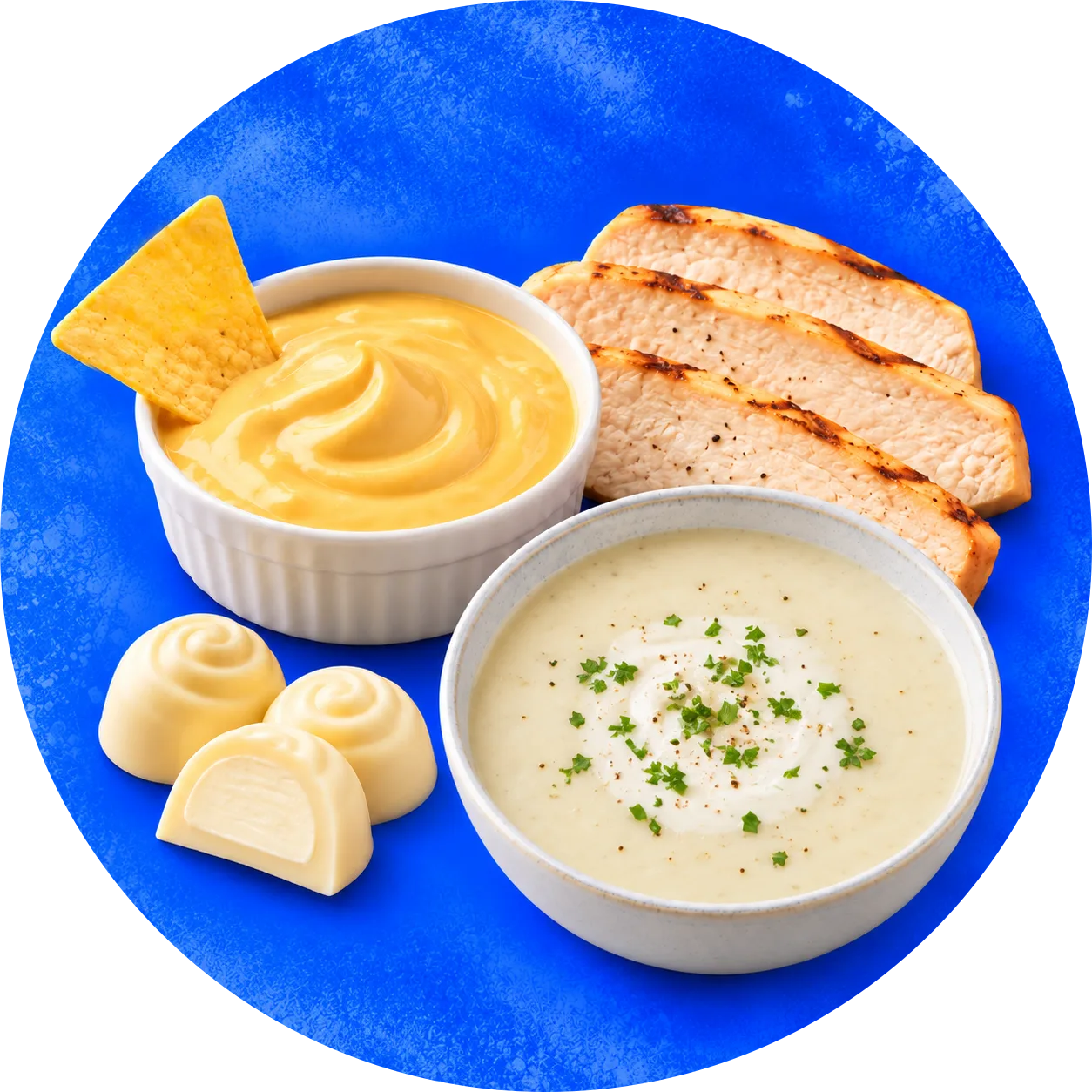
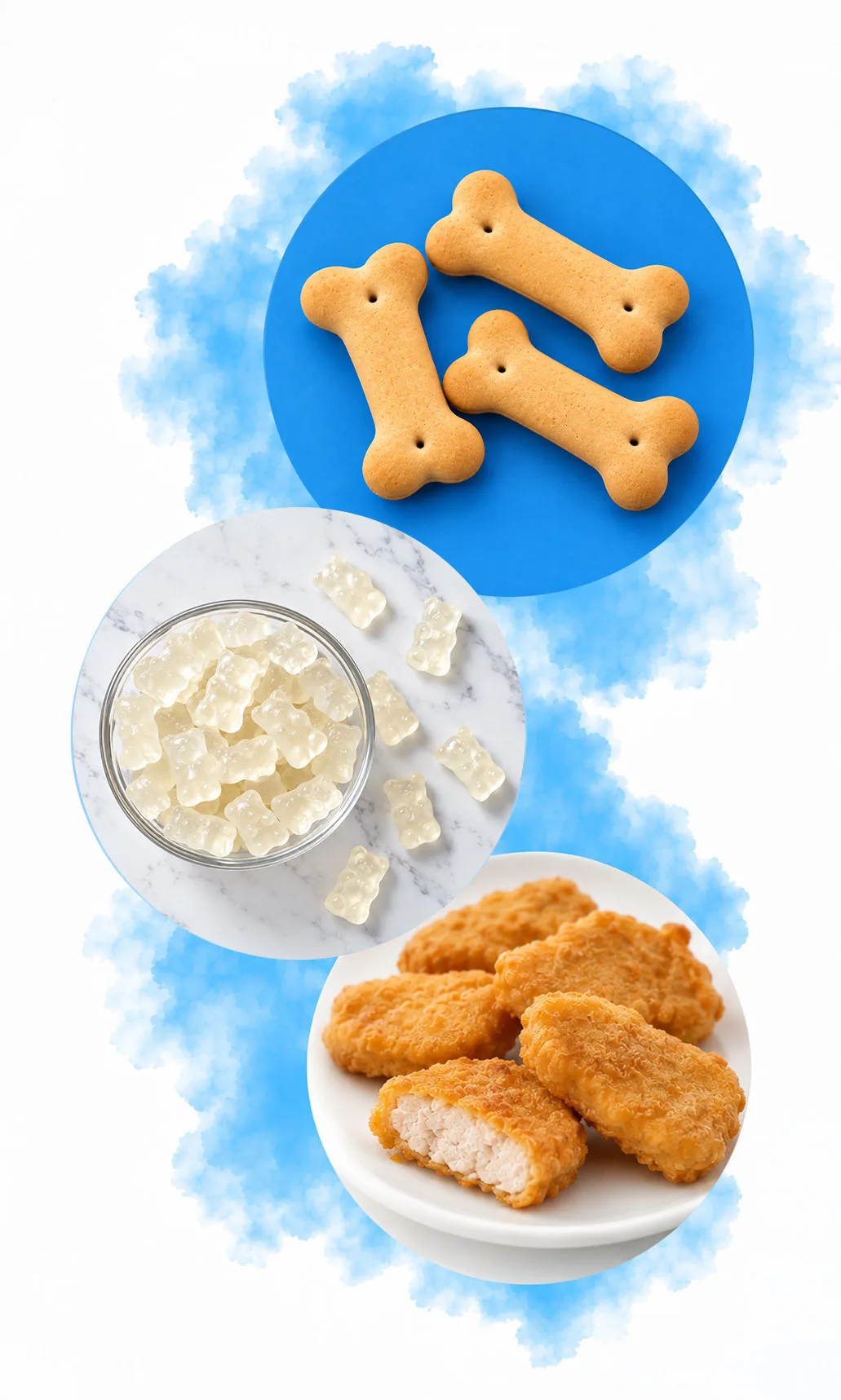
The harshest processing conditions remain a challenge to overcome for clean label white and opacity. Applications with high water activity and high heat, such as retort, are still an area of focus where improvements are continually being evaluated.
Our global R&D team remains hard at work to add new solutions, technologies, and sources every year to reduce cost-in-use for our customers and improve performance in food, beverage, and pet products.
As demand for clean label white alternatives to titanium dioxide grows, we will continue to refine mineral and plant-based TIO2 Alternative systems that meet clean label expectations while delivering dependable opacity.