Dawn Young
Quality & Regulatory Dawn Young

Alert & Aware: Sensient’s Focus on and Investment in Food Safety for Natural Colors

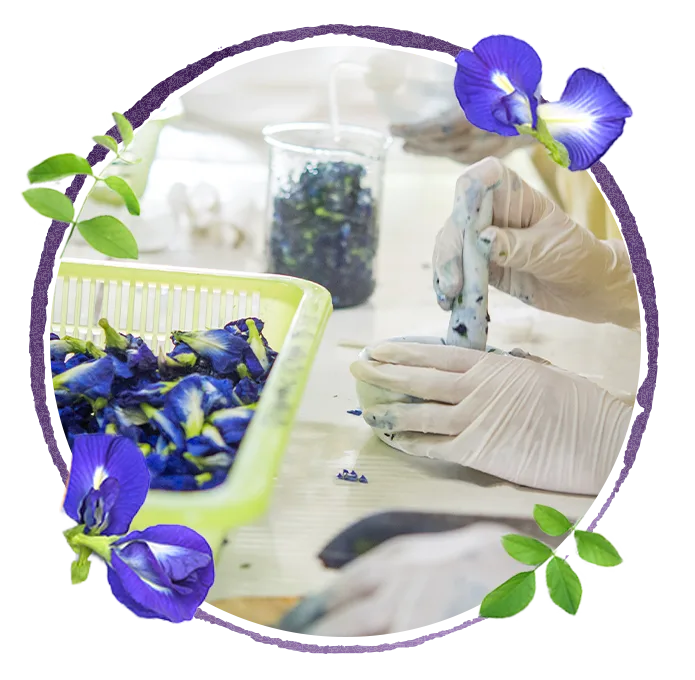
butterfly pea flower suppliers

We firmly believe that a strong national food ingredient approval system is the best way to ensure food safety, affordability and quality in the marketplace. We have become concerned that the shifting tides of opinion around FD&C certified colors and emerging patchwork of state regulations could be creating confusion and could ultimately increase consumer costs.

Courtney Bidney, Director Regulatory Affairs at Hershey

This message aligns with Sensient’s longstanding stance on the importance of a unified food safety program like Certasure™ to be applied at a national level rather than left to supplier self-validation.

As FDA encourages the transition away from the use of certified colors in food, it is important that manufacturers of non-certified colors take all possible measures to ensure the safety and purity of the color additives they produce.

FDA Reminds Manufacturers of Color Additives Exempt from Certification to Comply with Identity and Purity Requirements

certasure
fda approved lab methods

Increasing Our Investment in Food Safety as Demand Rises

To respond appropriately to the continued rising need for vigilance and testing, Sensient is investing heavily in our food safety program, Certasure™. We are adding new employees, equipment, processes, and lab space to address the demand for both finished good and raw material testing.
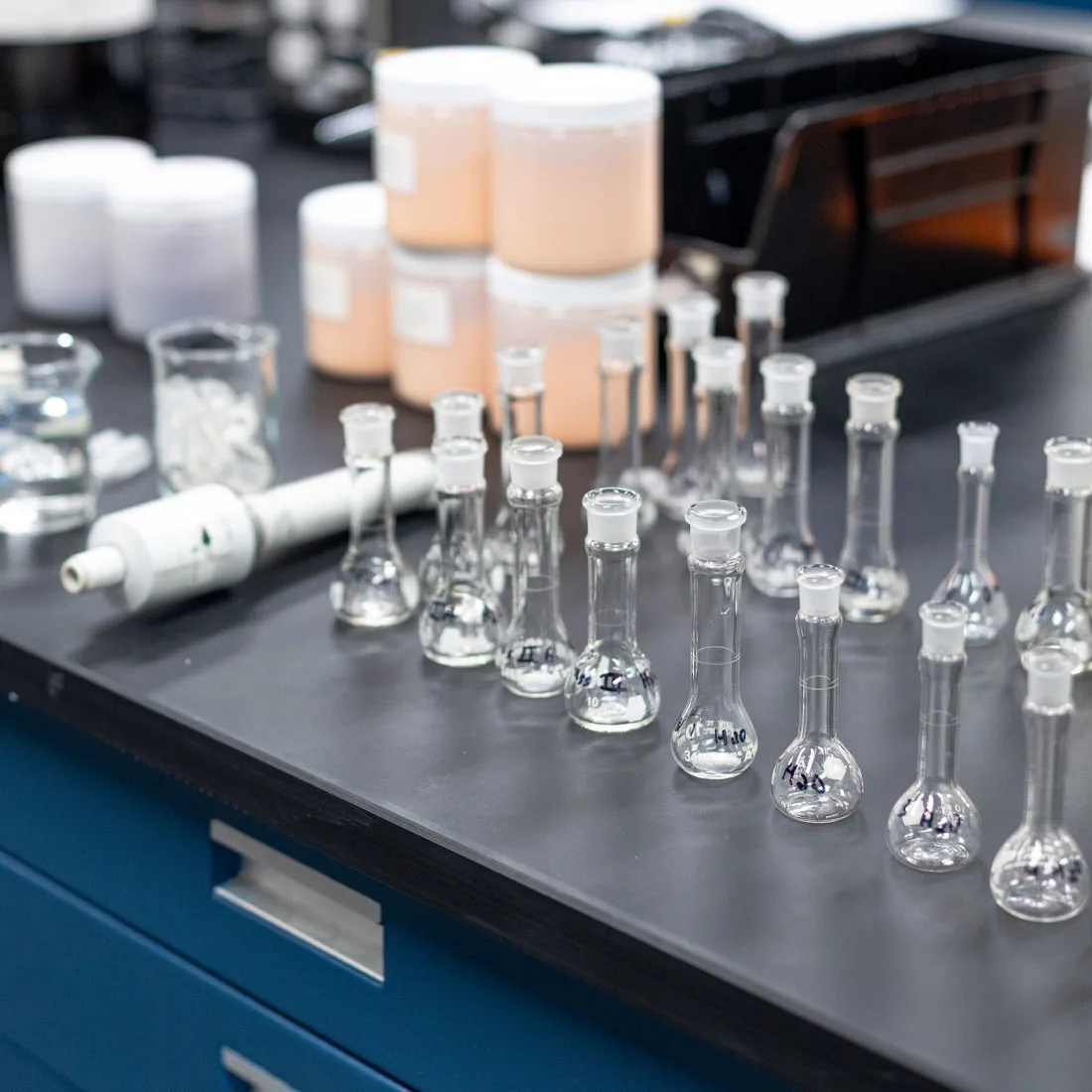
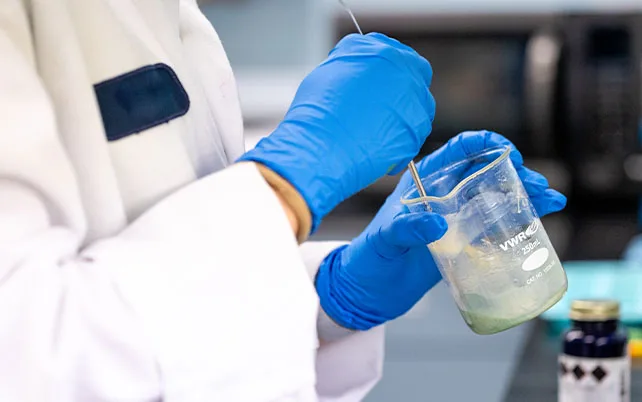
sensient technologies lab equipment
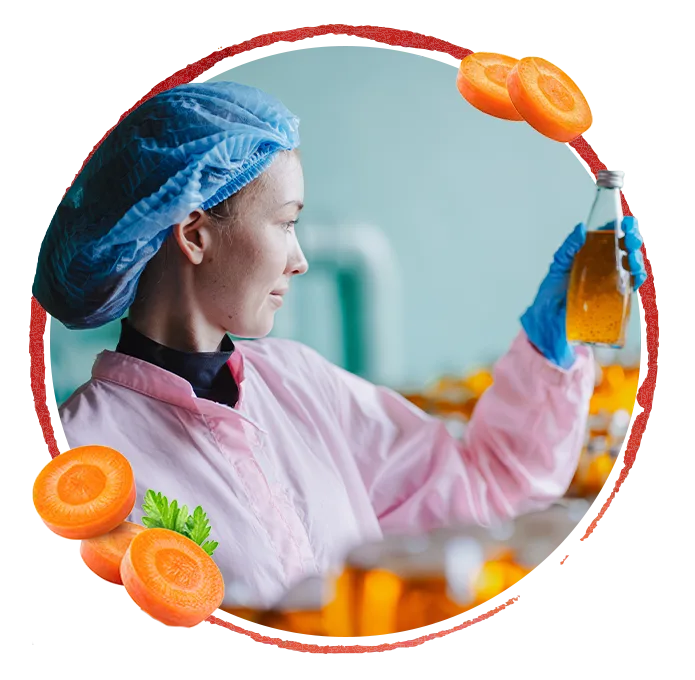
woman inspecting orange juice for food safety

As demand for natural colors increases, our global market surveillance is showing an increase in contamination and adulteration risks, not a decrease.

My next blog will highlight some concerning examples we’ve observed that reinforce the importance of unremitting care.

Frequently Asked Questions

How does food color testing work for a small food business?

Suppliers are responsible for natural color food safety testing and self-regulate compliance with FDA regulations. Food and beverage businesses should ask questions about testing protocols, ingredient standards, and authenticity guarantees.

What are food safety regulations for natural colors in the US?

The FDA has published guidelines for food safety for natural colors in the US but does not require batch certification as they do with synthetic dyes. Color suppliers are expected to self-regulate compliance with the Code of Federal Regulations and any limits for heavy metals, adulteration, pesticides, microbiological contamination, or permitted solvents therein.

What are the US requirements for natural color food safety testing?

The US FDA does not currently require color suppliers to utilize aligned or approved food safety testing methodology for natural colors. Color suppliers are responsible for ensuring compliance with the published food safety guidelines on their own.

Why is testing the safety of natural food colors important?

Testing the safety of natural food colors is important because risks like adulteration or pesticide contamination are increasing. Natural colors pose inherently more risk than their lab-created synthetic dye counterparts, so it's important to stay vigilant and test carefully for safety, quality, and authenticity.

What are FDA guidelines for natural food color safety assessment?

The FDA has published guidelines in the Code of Federal Regulations and in the Food, Drug, & Cosmetic (FD&C) Act.

Subscribe for the latest colorful insights!

Sign Up
Request a sample